Kart To Formula Racing Techniques
Drift sparks, nitro windows, slipstream, apexes, and fair defending from karts to formula.
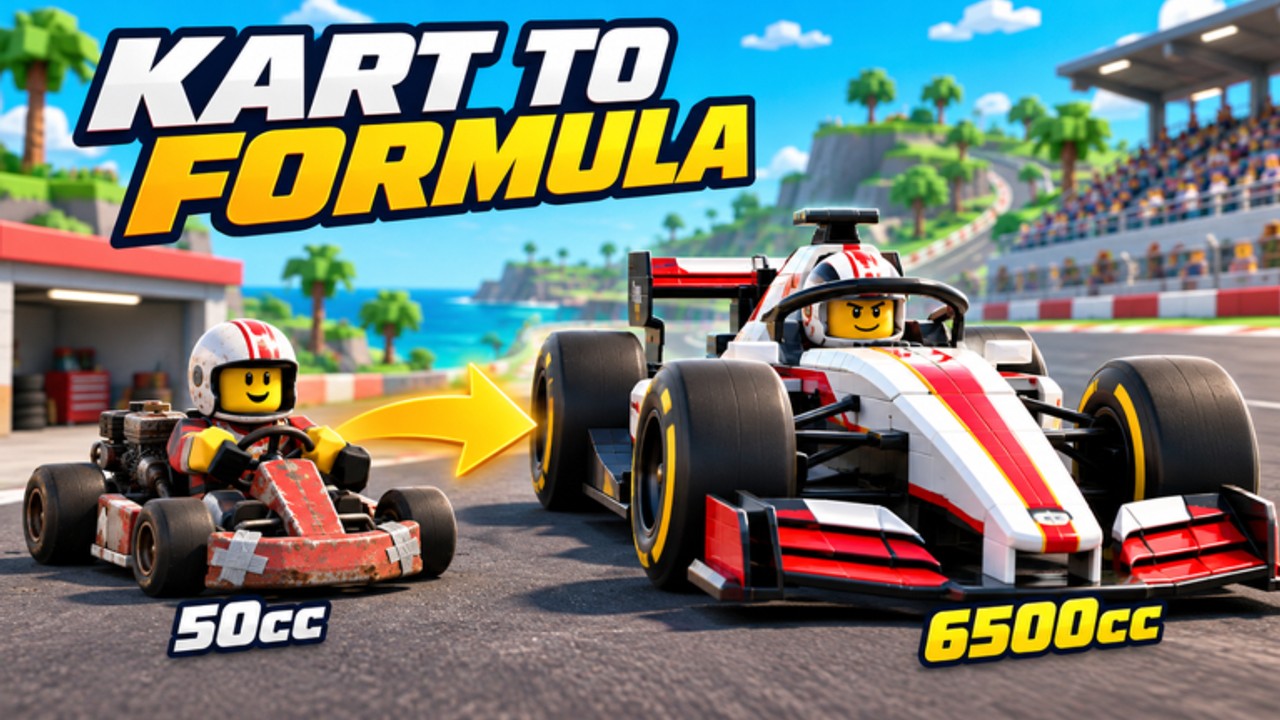
Raw upgrades get you invited to the fight; racing techniques decide who leaves with the podium in Kart To Formula. This guide focuses on drift boost sparks, nitro windows, slipstream passes, racing lines and apexes, and defending without leaning on collisions. Fair racing is a design pillar here — hits do not punish you the way some Roblox racers do — so skill expression shifts toward boost economy and line choice.
Use this page after Controls feel comfortable and while you climb Amateur League toward 125cc, Shifter Kart, and the formula ladder. Pair technique work with smart upgrades and the right SPEED or GRIP setup.
Drift boost sparks
Drifting is not only for style. Initiating a drift while turning charges boost feedback — watch for sparks that signal a ready exit boost. The winning pattern is:
- Brake or lift to a speed your current class can rotate.
- Turn in and hold drift as the car loads the outside tyres.
- Wait for spark charge rather than releasing early for a weak pop.
- Release drift as the exit opens, straighten, then consider nitro.
On GRIP setups you can often hold longer. On SPEED setups, charge earlier and accept a slightly wider line so sparks still build without a spin. If sparks never appear, you are either too slow (not loading the car) or too violent (snapping the rear). Practice on one hairpin until the spark timing is boring.
Nitro windows
Nitro multiplies a good exit and magnifies a bad one. Strong windows:
- Just after drift release when the wheel is nearly straight.
- Mid-straight while already in slipstream, timed with a pull-out pass.
- After a rocket start when you need to secure first-corner position without diving into a pack crash.
Weak windows:
- Mid-apex while still rotating hard.
- Immediately into a heavy brake zone (you burn boost then throw it into heat).
- Panic taps after a mistake that only push you deeper into the wall.
Upgrade nitro capacity only when these windows are intentional. Otherwise engine and tyres from the upgrades guide give more finishing positions per Cash.
Slipstream craft
Slipstream (tow) builds on straights when you sit behind a rival. Techniques:
- Hold — Stay centered in the tow without tapping them. Fair racing softens bump outcomes, but contact still ruins both aero lines.
- Pull out — Steer clear late enough to keep tow as long as possible, early enough to have a lane at the next brake marker.
- Pass commit — Nitro as you pull alongside, then seize the inside for the next corner if you arrive with enough margin.
- Failed pass recovery — If they cover, tuck back and recharge rather than weaving. Weaving loses more time than a patient second attempt.
In formula classes, slipstream trains matter. Do not fight the mid-pack so hard that the leaders escape; sometimes sitting third in a tow chain is the podium plan.
Racing line and apexes
A basic racing line still wins Amateur and 125cc events: outside approach, inside apex, outside exit. Adjustments:
- Late apex — Better when you need exit speed onto a long straight (classic SPEED track plan).
- Early apex — Sometimes required in tight switchbacks where rotation must finish before a wall.
- Compromise apex — Used in chicanes; sacrifice the first curve slightly to nail the second exit.
Walk a track in practice by naming brake markers (“billboard,” “kerb start,” “shadow line”). Weekly Time Trial is the best lab: compare lines without lobby chaos, then bring the winning line into Daily Cup and Server Showdowns. Check World Ranking goals so you know which modes feed your rank.
Defending without collision dependency
Because fair racing reduces the value of slam defense, protect position with geometry:
- Take the inside before the brake zone when a rival is in tow.
- Keep a defensive middle if both sides are risky, then commit at turn-in.
- Avoid parking mid-track at apex; a sudden block that forces both cars wide often hands the pass to a third driver.
- Use early acceleration on exit to break tow rather than swerving.
If someone bumps you, reset attitude faster than you reset the car. The meta rewards the driver who keeps spark and nitro discipline after contact.
Rocket start into turn one
A perfect rocket start is wasted if turn one becomes a parking lot. Plan:
- Hit the start window (Controls drills).
- Choose a lane with an escape — usually inside for short first corners, outside if the pack always dives inside.
- Charge a short drift boost if the first corner allows; otherwise prioritize survival.
- Spend nitro only after the pack spreads on the following straight.
Promotion races in League Promotion are often decided by clean first laps, not lap-three heroics.
Track archetype adaptations
- Open SPEED tracks — Longer drift charges, aggressive late apexes, nitro on exits into freestyle straights.
- Technical GRIP tracks — Shorter sparks, earlier rotation, tyre-sensitive upgrades, patience in slipstream.
- Rally side series — Expect surface changes and committed lines; less pure highway tow, more exit discipline.
- GT side series — Closer to formula manners; emphasize consistent apexes and defensive geometry.
Use the setups tier list to lock a philosophy before the lights go out.
Practice blocks that actually transfer
Spend fifteen minutes on spark exits, ten on slipstream pull-outs, five on rocket starts, then enter one ranked-feeling event without tinkering the garage mid-session. Log one sentence afterward: “Lost time mid-corner nitro” or “Won with late apex onto long straight.” That note informs the next upgrade purchase and the next class goal.
Crew pace bonuses from Crew HQ help, but they cannot replace spark timing. Techniques scale from rusty 50cc to the 1.6 V6 Hybrid Grand Prix because the verbs stay the same even as the cars get faster.
Mindset for fair racing lobbies
Expect contact. Do not build strategy around causing it. Celebrate clean passes. When a lobby is chaotic, play for average finishing position across a cup — Amateur and formula promotion both care about podium patterns more than a single highlight reel. Kart To Formula is a long climb by Infinity Seekers Studio; techniques compound every week you practice them.
Frequently Asked Questions
Quick answers for codes, setups, and league climbs.
What are drift boost sparks in Kart To Formula?
Visual charge feedback while drifting. Release into a clean exit when sparks show a ready boost to gain pace without spinning.
When should I use nitro during a lap?
On stable exits and straights, especially during slipstream pull-outs. Avoid mid-apex panic taps that widen the car.
How do I defend if hits are not punishing?
Use inside lines, early acceleration to break tow, and geometric blocking. Do not rely on slamming rivals to keep position.
Should lines change for SPEED vs GRIP setups?
Yes. SPEED plans often favor late apexes and exit nitro; GRIP plans allow later rotation and tighter spark holds on technical tracks.
What mode is best for practicing techniques?
Weekly Time Trial for lines and ghosts, then Daily Cup or Server Showdowns to apply slipstream and defending under pressure.